If you are parking your savings in fixed deposits and wondering whether your money is actually growing, this article will give you a clear answer. You will learn how inflation silently affects FD returns, whether savers are still losing purchasing power, and how to use fixed deposits smartly in today’s environment.
This is not an anti FD article. It is a reality check.
Why This Question Matters More Than Ever
For decades, fixed deposits were considered safe, reliable, and sufficient for savers. Many households still treat FDs as their primary savings tool.
But safety alone does not build wealth.
The real risk today is not volatility.
It is inflation quietly eating into your money while balances look stable.
Understanding Fixed Deposit Returns in Simple Terms
A fixed deposit gives you a guaranteed interest rate. This rate looks comforting because it is predictable and stable.
Example:
You invest 5 lakh in an FD at 7 percent for one year.
At maturity, you receive around 5.35 lakh before tax.
On paper, you earned money. But this is only half the story.
What Inflation Actually Does to Your Savings
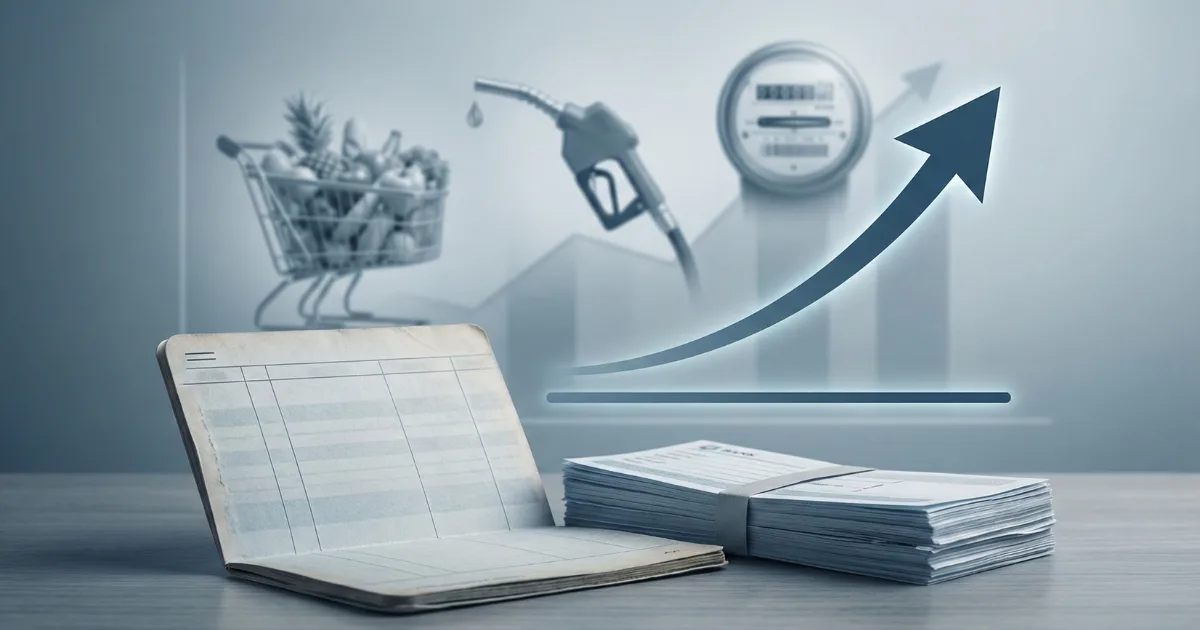
Inflation measures how fast prices rise over time. When inflation is high, the same money buys less.
If inflation is 6 percent and your FD earns 7 percent, your real return is just 1 percent before tax.
After tax, the real return can turn negative. This is why savers feel richer on paper but poorer in daily life.

The Real Return Problem Explained
Let us break it down with a realistic example.
- FD interest rate: 7 percent
- Inflation rate: 6 percent
- Tax on FD interest (20 percent slab): around 1.4 percent
Net real return after tax: negative or near zero
This means your money grows in numbers but loses purchasing power.
Are Savers Still Losing Money Today?
In many cases, yes.
Especially if:
- You are in a higher tax slab
- You rely only on traditional bank FDs
- You keep renewing short term deposits
- Your savings are meant for long term goals
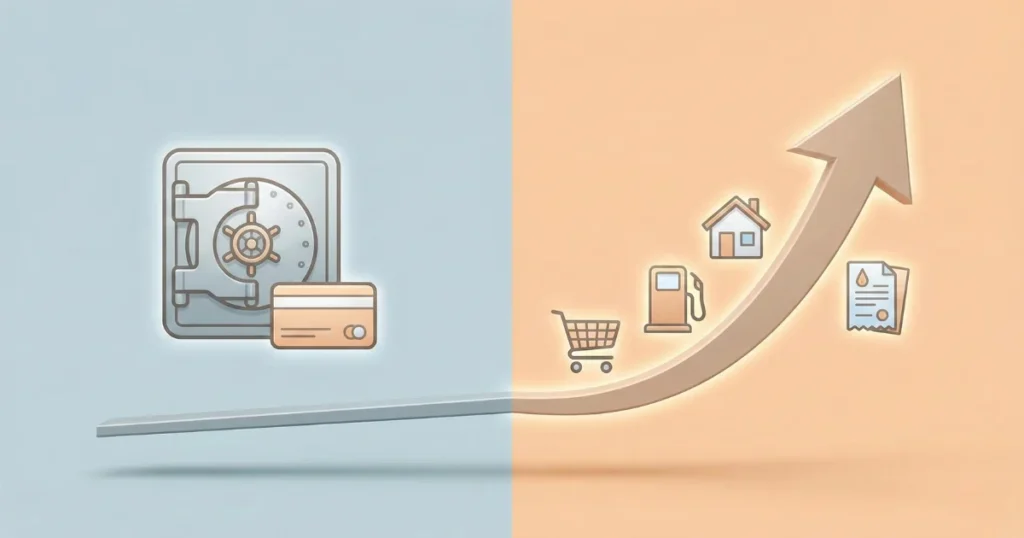
Fixed deposits protect capital, but they often fail to protect value.
Why Fixed Deposits Still Feel Attractive
Despite low real returns, FDs remain popular because:
- Capital safety feels reassuring
- Returns are guaranteed
- No market volatility
- Easy to understand
- Suitable for emergency funds
These are genuine strengths. The problem arises when FDs are used for everything.
When Fixed Deposits Still Make Sense
FDs are still useful if used correctly.
They work well for:
- Emergency funds
- Short term goals under 3 years
- Capital protection needs
- Retirees who value stability
- Parking money temporarily
FDs are a safety tool, not a growth engine.
Where Savers Go Wrong
Most savers make these mistakes:
- Treating FDs as long term wealth builders
- Ignoring inflation impact
- Not factoring in tax on interest
- Keeping all savings in one product
- Confusing safety with progress
Safety without growth is slow erosion.
How Savers Can Reduce Inflation Damage
You do not need to abandon FDs completely. You need balance.
1. Split money by purpose
Use FDs for safety and short term needs.
Use growth oriented options for long term goals.
2. Ladder your FDs
Instead of one large FD, spread across different maturities. This helps adjust to changing rates.
3. Consider inflation aware alternatives
For long term goals, options that historically beat inflation offer better protection.
4. Review annually
Inflation changes. So should your strategy.
The Psychological Cost of Playing Too Safe
There is a hidden cost that rarely gets discussed.
When savings do not grow meaningfully:
- Future goals get delayed
- Retirement gaps increase
- Dependence on income lasts longer
- Financial stress rises later in life
Avoiding risk today can create risk tomorrow.
Fixed Deposits vs Inflation: The Honest Verdict
Fixed deposits are not bad.
They are just incomplete.
They protect money from loss, but not from time.
Savers are not foolish for choosing FDs.
They just need to understand what FDs can and cannot do.
The goal of saving is not just to preserve money.
It is to preserve what money can buy.
Understanding inflation is the first step toward protecting your future.
Frequently Asked Questions
They are low risk in terms of capital safety, but inflation risk still exists.
Sometimes before tax, rarely after tax.
No. Use them for safety and short term needs, not long term wealth creation.
Yes. Inflation affects everyone, especially those on fixed income.
Real return is what you earn after adjusting for inflation and tax.